By. Mohamed Omar
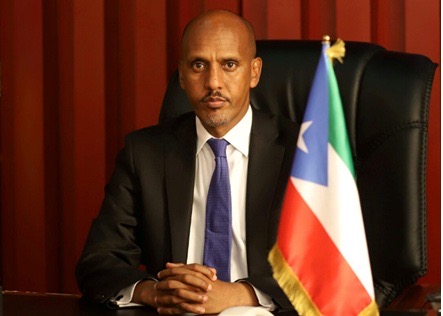
For over seven years, the Somali Regional State of Ethiopia has been governed by President Mustafe Omer (Haji Mustafe). This period followed a historic political transition that promised reform, justice, and development after decades of repression and instability. The expectations were high, and the opportunity unprecedented.
Today, however, the Somali Region stands at a crossroads burdened not by a lack of resources or federal support, but by a failure of regional governance.
This article is not an attack on Ethiopia’s federal system, nor a denial of federal efforts. It is a fact-based, constructive critique of a regional administration that failed to convert opportunity into results, autonomy into service delivery, and budgets into meaningful development.
Federal Projects Marketed as Regional Achievements
Many of the flagship projects frequently cited by the Somali Regional Government as evidence of success were neither initiated nor financed by the regional administration. They were largely implemented through federal government funding and international partners, particularly the World Bank.
These include:
• Gode Airport Terminal
• Jijiga Corridor Road
• Gode Water Supply Project
• Shabelle Tourism Resort
• Major intercity and regional roads
• Aishia Electricity Project
• Oil refinery initiatives
• Gode Fertilizer Factory
These projects demonstrate federal commitment to the Somali Region, not regional innovation or leadership capacity. Yet, they are routinely used for political branding by the regional administration.
After seven years in power, there is no clear evidence of major, independently conceived, regionally planned, and successfully executed development projects comparable in scale or impact to federal led initiatives.
This reality has led ordinary citizens to ask a simple but powerful question:
What has the regional government itself genuinely delivered?
A Failure Publicly Acknowledged at the Highest Level
These criticisms are not fabricated, exaggerated, or politically motivated claims. They are now supported by an explicit public assessment from the Prime Minister of Ethiopia.
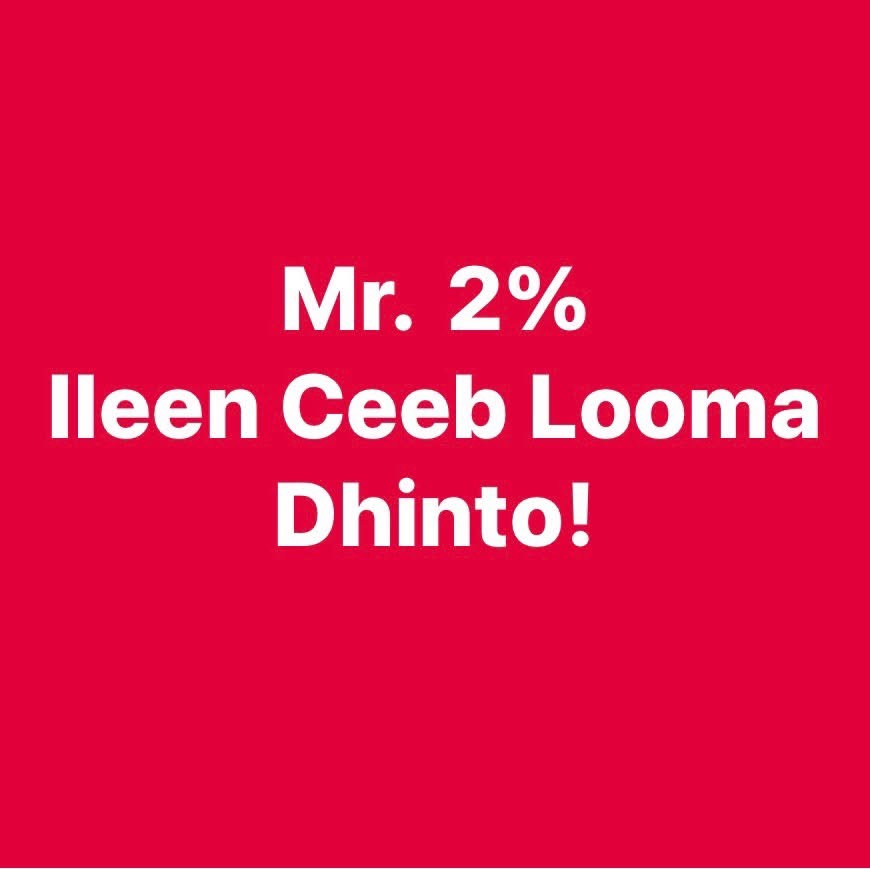
During the inauguration of the Shabelley Resort Project, Prime Minister Abiy Ahmed openly stated that the performance of the Somali Regional Administration under President Mustafe Omer and his cabinet over the past years does not exceed 2%.
This was not an offhand remark, it was a damning official evaluation.
When a regional government receives a 2% performance rating after seven years, it represents:
• An acknowledgment of governance failure
• Confirmation of widespread public frustration
• National validation of long-standing local grievances
A 2% score is not merely embarrassing, it is a political and moral indictment.
Not Federal Neglect, but Regional Mismanagement
It must be stated clearly: the federal government has not abandoned the Somali Region.
Under Prime Minister Abiy Ahmed, the region has received:
• Substantial budget allocations
• Expanded political autonomy
• Reduced federal interference
• Support for major infrastructure projects
Yet, these advantages were not translated into improved living conditions. The failure lies in:
• Poor planning and weak institutions
• Widespread corruption
• Clan based favoritism
• Absence of accountability
• Governance driven by loyalty rather than merit
This is not a shortage of resources it is a crisis of leadership and administration.
Collapse of Public Services and Core Sectors
Chronic Water Crisis in Jijiga
Despite billions of birr reportedly spent on water projects, Jijiga, the regional capital still suffers from severe water shortages. This failure has persisted for seven years, symbolizing systemic mismanagement and lack of transparency.
Education in Steep Decline
The education sector is deteriorating:
• Poor school infrastructure
• Demoralized teachers
• Weak oversight
• No visible reform strategy
An entire generation risks being left behind.
Agriculture Without Results
The Regional Bureau of Agriculture has failed to deliver measurable outcomes. There is no clear improvement in:
• Productivity
• Food security
• Farmer support systems
For a region where agriculture and pastoralism sustain most livelihoods, this is a strategic failure.
Healthcare on the Brink
Health centers across the region suffer from:
• Lack of equipment
• Shortage of qualified staff
• Minimal service delivery
Citizens face preventable illnesses without adequate care.
Human Rights Violations and Breakdown of the Rule of Law
Beyond development failure lies a more serious concern: the erosion of justice and human dignity.
Credible reports and testimonies point to:
• Secret detention facilities
• Torture and ill-treatment
• Arbitrary arrests without due process
• Politicized courts under executive control
• Detentions and releases based on loyalty, not law
Citizens are imprisoned without trial and released without legal explanation. This undermines the constitution, rule of law, and public trust.
Clan Politics, Exclusion, and Uneven Development
Governance in the Somali Region has become increasingly characterized by:
• Clan favoritism
• Nepotism
• Exclusionary politics
Entire zones, Afdheer, Erer, Nogob, Dawa, Libaan, Doolo, and others have seen little or no meaningful development projects during the past seven years. Some have not witnessed a single transformative investment.
Such uneven development deepens resentment, weakens unity, and threatens long-term stability.
Rising Cost of Living and Economic Pressure
Uncontrolled inflation and rising living costs have further burdened citizens. With limited job creation and weak economic planning, ordinary people continue to pay the price for administrative failure.
Conclusion: Seven Years, Billions Spent, 2% Results
This article is not a call for confrontation. It is a call for:
• Accountability
• Institutional reform
• Transparent budgeting
• Independent oversight
• Merit-based governance
• Respect for human rights
The Somali Region does not lack potential. It lacks effective, accountable leadership.
Seven years in power is not a short trial period. History will judge this administration not by speeches, ceremonies, or borrowed achievements but by results.
Seven years.
Billions in resources.
A publicly acknowledged 2% performance.
The people of the Somali Region deserve better.
Ethiopia deserves regional governments that strengthen not undermine the federal vision of justice, development, and unity.
The moment for honest reckoning and corrective action is now.
#Abiy Ahmed Ali
#Prosperity Party – ብልፅግና
#Addis Ababa Prosperity Party – ብልፅግና
#Office of the President, Ethiopia
#Office of the Prime Minister-Ethiopia
#Mayor Office of Addis Ababa
#Deputy Prime Minister Office – FDRE
#Ministry of Peace የሰላም ሚኒስቴር
#Ministry of Water and Energy – Ethiopia
#Ministry of Irrigation & Lowlands – Ethiopia
#House of Federation of Ethiopia
#Ethiopia Insider
#Ethio Press
#Ethiopian secret security intelligence fact finders sector
Z Ethiopia
#Ethiopian Press Agency /የኢትዮጵያ ፕሬስ ድርጅት/
Ethiopian Airlines
#Ethiopian Human Rights Commission
#Somali Prosperity Party-ብልጽግና
#Somali Regional State Communication Bureau
#Xafiiska Caafimaadka DDS: SRHB- Somali Regional Health Bureau.
Redwan Hussien
Temesgen Tiruneh – ተመስገን ጥሩነህ