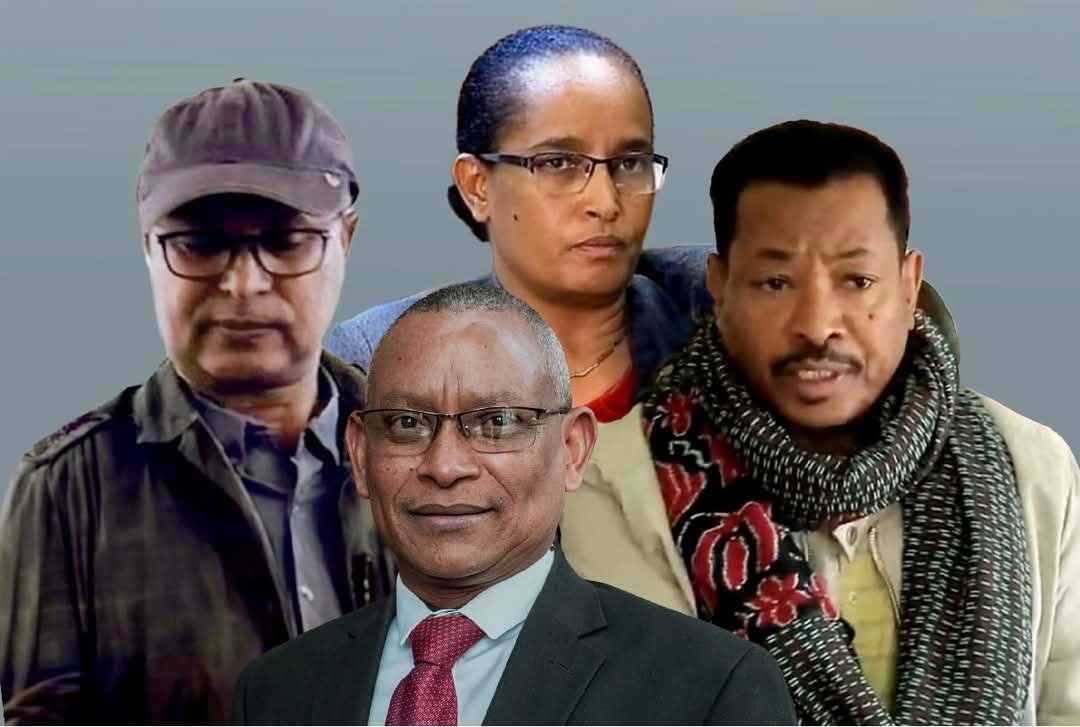
The Tigray People’s Liberation Front (TPLF) continues to face severe criticism for what many describe as a long record of political betrayal, strategic miscalculations, and the exploitation of civilians for narrow political objectives.
Critics argue that in the past, the TPLF openly positioned itself against the Ethiopian state by aligning with hostile external forces. During a critical period in the country’s history, the organization is accused of siding with Egypt-backed movements, including the Eritrean liberation fronts, actions that ultimately contributed to Ethiopia losing direct access to the sea. This alignment is widely viewed as having undermined Ethiopia’s national interests and long-term strategic sovereignty.
Today, similar accusations persist, but with even more alarming humanitarian implications. Observers and community leaders state that the TPLF is deliberately politicizing humanitarian suffering in Tigray, using hunger and deprivation as tools of political leverage. Rather than prioritizing the welfare of civilians, the group is accused of subjecting innocent people—its own constituency—to hardship in order to sustain political narratives, attract international sympathy, and maintain relevance.
Many Ethiopians emphasize that the people of Tigray are victims not of the Ethiopian state, but of a political organization that repeatedly places ideology and power above human life. The continued manipulation of suffering for political gain is being described as morally indefensible and politically destructive.
As a result, calls are growing for the complete political dismantling of the TPLF as an organization. Critics argue that Ethiopia cannot achieve lasting peace, unity, and stability as long as armed political movements that thrive on division, external alliances, and internal destabilization remain active. They stress that accountability, political reform, and the rejection of extremist agendas are essential for the country’s future.
The demand, many assert, is not against the people of Tigray, but against a political structure that has repeatedly demonstrated hostility toward Ethiopia’s national cohesion and the well-being of its citizens.