For decades, the Somali Region of Ethiopia has carried the heavy burden of state violence, political neglect, and deliberate underdevelopment. From the imperial era of Haile Selassie, through the brutal military dictatorship of Mengistu Haile Mariam, and into the centralized authoritarian rule of Meles Zenawi, the region was treated not as an equal part of the Ethiopian state, but as a security problem to be contained.
A History Written in Pain
Under successive regimes, the Somali Region experienced systematic repression. Military campaigns were routinely unleashed against civilians. Villages were burned, livestock confiscated, and communities displaced. Soldiers operated with impunity, committing abuses that left deep psychological and social scars.
Equally devastating was the policy of intentional underdevelopment. While other regions benefited from roads, factories, irrigation schemes, and public services, the Somali Region was kept economically weak. Large-scale development projects were absent, food aid was often politicized, and entire communities were subjected to hunger as a tool of control. The absence of meaningful investment was not accidental, it was policy.
A Historic Shift Under Prime Minister Abiy Ahmed
The coming to power of Prime Minister Abiy Ahmed (PhD) marked a historic turning point. For the first time in modern Ethiopian history, the Somali Region was offered not just promises, but real opportunities.
Abiy Ahmed decisively ended the long standing interference of the TPLF security apparatus in the region’s political and administrative affairs. The Somali Region was given space to manage its own destiny, to debate its priorities, and to chart a development path based on its unique needs and resources.
Most importantly, the Prime Minister opened the door to mega development projects that previous regimes had either denied or deliberately blocked.
Mega Projects That Redefined Possibility
Today, the Somali Region is witnessing projects once thought impossible:
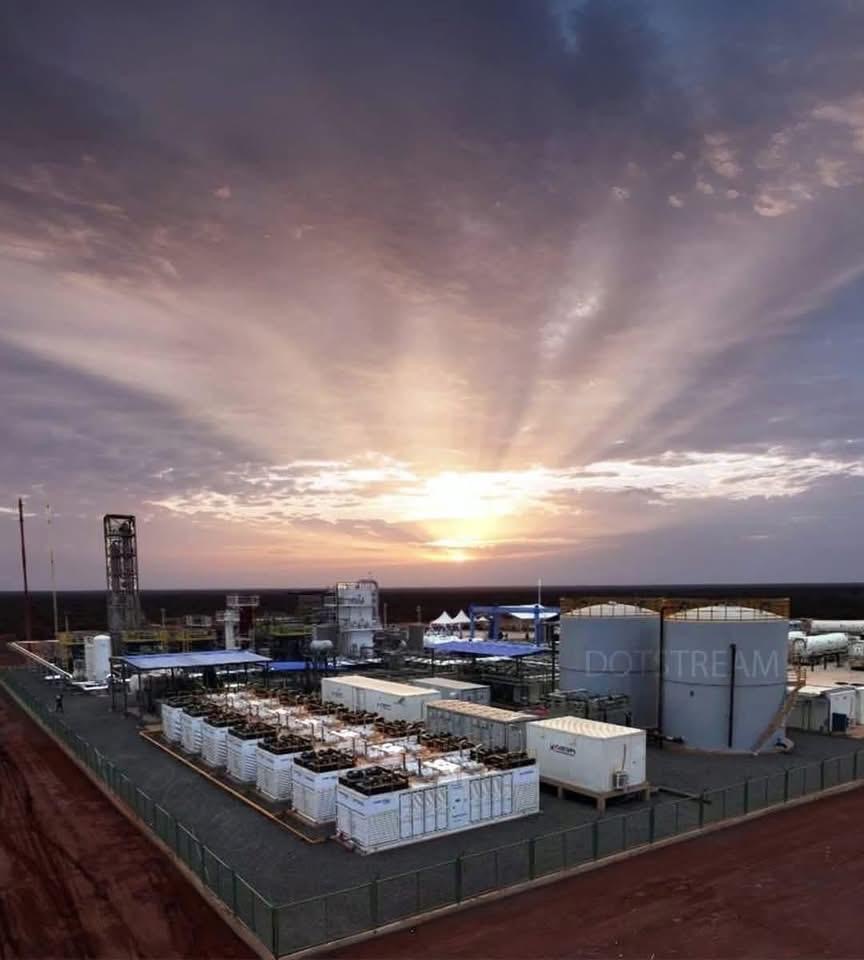
• The Godey Oil Refinery Project, a strategic investment aimed at transforming local energy production, reducing fuel imports, and creating jobs.
• The Godey Fertilizer Factory, designed to support agriculture, improve food security, and anchor industrial growth in the region.
• Shabeelley Resort, inaugurated today, a landmark tourism project symbolizing peace, stability, and economic diversification along the Somali Region.
These projects represent billions of birr in investment and signal a clear message: the Somali Region is no longer meant to be left behind.
Peace as an Opportunity Squandered
Perhaps the most valuable gift extended under Abiy Ahmed’s leadership was peace.
Armed groups that once dominated the region laid down their weapons and chose dialogue. Former fighters reintegrated into civilian life. For the first time in decades, the Somali Region had the chance to redirect its energy from survival to development.
At the same time, the regional budget increased significantly, offering unprecedented financial capacity to improve infrastructure, education, healthcare, and water access.
Yet, tragically, these historic opportunities were squandered.
A Regional Leadership That Failed Its Moment
Instead of transformation, the Somali Region fell into the hands of a leadership plagued by corruption, poor governance, and clan, based politics. Under the administration led by Mustafe Omar, the region failed to translate opportunity into progress.
Despite increased budgets, corruption spiraled out of control. Clan conflicts escalated to alarming levels. Public trust eroded. Basic government services deteriorated. Astonishingly, after seven years in power, the regional administration failed to provide reliable water supply even to Jigjiga, the regional capital.
This failure is not due to lack of resources or federal obstruction, it is the result of mismanagement and moral bankruptcy.
Unresolved Crises and Growing Frustration
Today, the Somali Region faces serious unresolved challenges:
• Worsening inter-clan conflicts
• Rampant corruption and institutional decay
• Weak healthcare and education systems
• Chronic water shortages
• Rising public anger and disillusionment
These are not inherited problems alone; they are the consequences of leadership that failed to rise to the historic moment it was given.
Credit Where It Is Due And Accountability Where It Belongs
Prime Minister Abiy Ahmed deserves recognition for his bold political choices and for investing political capital, resources, and vision into the Somali Region. He opened doors that had been sealed for generations.
But opportunity alone is not development.
History will record that while the federal leadership offered the Somali Region a rare chance to heal, rebuild, and prosper, the regional leadership failed to seize it.
The tragedy of today’s Somali Region is not that it lacks potential but that its potential was entrusted to leaders who did not honor it.
By. Mohamed Omar Political activist