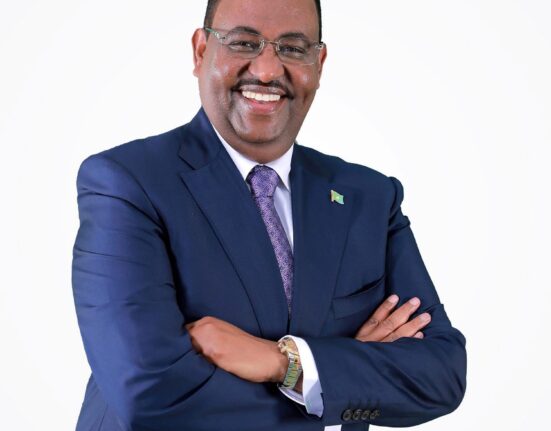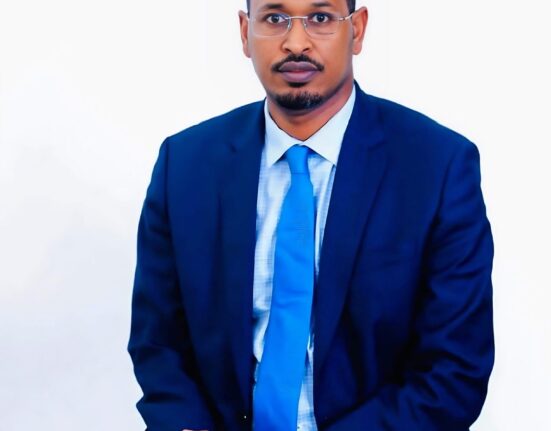
By. Abdirezak Sahane Elmi
Introduction: From State Collapse to a Fragile Rebirth:
Somalia’s modern political crisis began with the total collapse of the central state in 1991, an event that dismantled national institutions, destroyed the rule of law, and plunged the country into prolonged conflict, fragmentation, and humanitarian catastrophe. For more than three decades, Somalia has existed in a condition of contested sovereignty, where authority has been negotiated rather than assumed, and legitimacy painstakingly rebuilt through dialogue rather than force.
The contemporary Somalia state-building project formally commenced with the Arta Peace and Reconciliation Conference (Djibouti, 2000)—a landmark initiative that marked the first serious attempt to reconstitute a national government through an inclusive, Somali-led political process. This was followed by successive reconciliation and transition frameworks in Nairobi, Mbagathi, Kampala, and elsewhere, supported by regional actors and the international community. Though imperfect and slow, these processes laid the foundations for Somalia’s federal political architecture, provisional constitution, and incremental restoration of state authority.
Over the past 25 years, Somalia has achieved several notable milestones:
• the establishment of Federal Member States (FMS),
• the formation of successive Federal Governments,
• the rebuilding of national security institutions,
• relative stabilization of key urban centers, and
• gradual reintegration into regional and international systems.
Crucially, Somalia’s modest but real progress has been driven by inclusivity, negotiated compromise, and shared ownership of the political process.
The Role of Federal Member States: Puntland and Jubaland:
Among the most consistent contributors to Somalia’s state-building journey have been Puntland and Jubaland. Puntland, since its establishment in 1998, has functioned as a pioneer of bottom-up federalism, offering a model of relative stability, institutional continuity, and political pragmatism. Jubaland, despite its complex security environment, has played a vital role in border security, counterterrorism, regional trade, and federal negotiations. Both states have been central stakeholders in constitutional development, national reconciliation, and security cooperation. Their leadership and constituencies have invested political capital and human sacrifice in the fragile Somali project not as separatist endeavors, but as pillars of a federal Somalia.
A Reversal Under President Hassan Sheikh Mohamud’s Second Term.
It is therefore with deep concern that many observers note that Somalia’s state-building gains have significantly regressed during the second term of President Hassan Sheikh Mohamud. Ironically, a leader who once contributed positively to inclusive governance during his first term has, in his second tenure, become a central obstacle to the very process he once advanced. What has emerged over the last three years is not reformist leadership, but a dangerous concentration of power, exercised without legitimacy, consent, or institutional restraint.
I. Constitutional Manipulation and the Collapse of Inclusivity.
President Hassan Sheikh’s approach to constitutional completion represents a sharp departure from Somalia’s consensus-based tradition. Rather than facilitating a broad national dialogue, he pursued a unilateral and exclusionary process, treating the constitution as a personal political instrument rather than a social contract.
Key constitutional articles were altered without public endorsement, parliamentary consensus, or agreement from Federal Member States. Prominent regional leaders, including President Ahmed Mohamed Islam (Madobe) of Jubaland and President Said Abdullahi Dani of Puntland were marginalized, despite their long-standing involvement in constitutional negotiations. Even more troubling was the systematic sidelining of experienced national figures: former presidents, prime ministers, ministers, parliamentarians, and constitutional experts. This disregard for institutional memory and political plurality has severely undermined constitutional legitimacy and national cohesion.
II. Institutionalized Corruption and Economic Mismanagement
Under the current administration, corruption has not merely persisted, it has become systemic and centralized. Credible accounts from within government institutions indicate large-scale mismanagement, favoritism, and diversion of public resources toward politically connected individuals.
The consequences have been severe:
• military families displaced,
• low-income communities economically suffocated,
• small businesses excluded from opportunity, and
• public trust eroded.
Such practices hollow out state institutions, weaken security forces, and transform governance into a private extraction system rather than a public service.
III. Hostility Toward Federal Member States: Jubaland and Puntland.
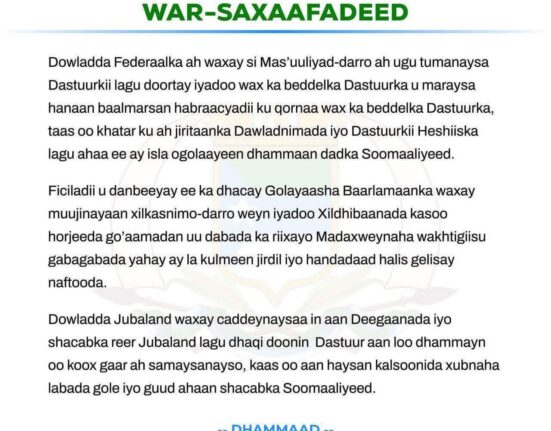
Perhaps the most destructive policy of the current presidency has been the deliberate political and military confrontation with Jubaland and Puntland. In Jubaland, this hostility manifested in armed confrontations in Ras Kamboni, Balad Hawo, and Doolow, resulting in civilian casualties and displacement.
Rather than strengthening federal unity, these actions fragmented the nation, reversing more than a decade of reconciliation and cooperative federalism. A state-building process that requires trust and coordination cannot survive a presidency that wages war against its own federal partners.
IV. Strategic and Diplomatic Miscalculations.
Somalia’s international partnerships have also suffered. Security and economic assistance provided by the international community has been misused or misdirected, while diplomatic decisions have alienated long-standing allies.
The administration’s alignment with external actors whose strategic interests destabilize the Horn of Africa, most notably Egypt and Eritrea, has raised serious regional security concerns. Meanwhile, Ethiopia and Kenya, the earliest and most consistent supporters of Somalia’s state-building and security efforts, have been distanced through poor diplomacy and strategic misjudgment.
V. The Revival of Clan Politics and Nepotism.
Finally, the current leadership has dangerously revived clannish nationalism and familial patronage. State institutions have been reduced to kinship networks, while national dignity has been converted into private privilege. One glaring example was the President’s official trip to the United Nations in the United States, where six close relatives, including family members, were included in the delegation at public expense and under the banner of state protocol. Such actions symbolize the erosion of ethical governance and public accountability.
The Kismayo Conference: A Necessary Course Correction.
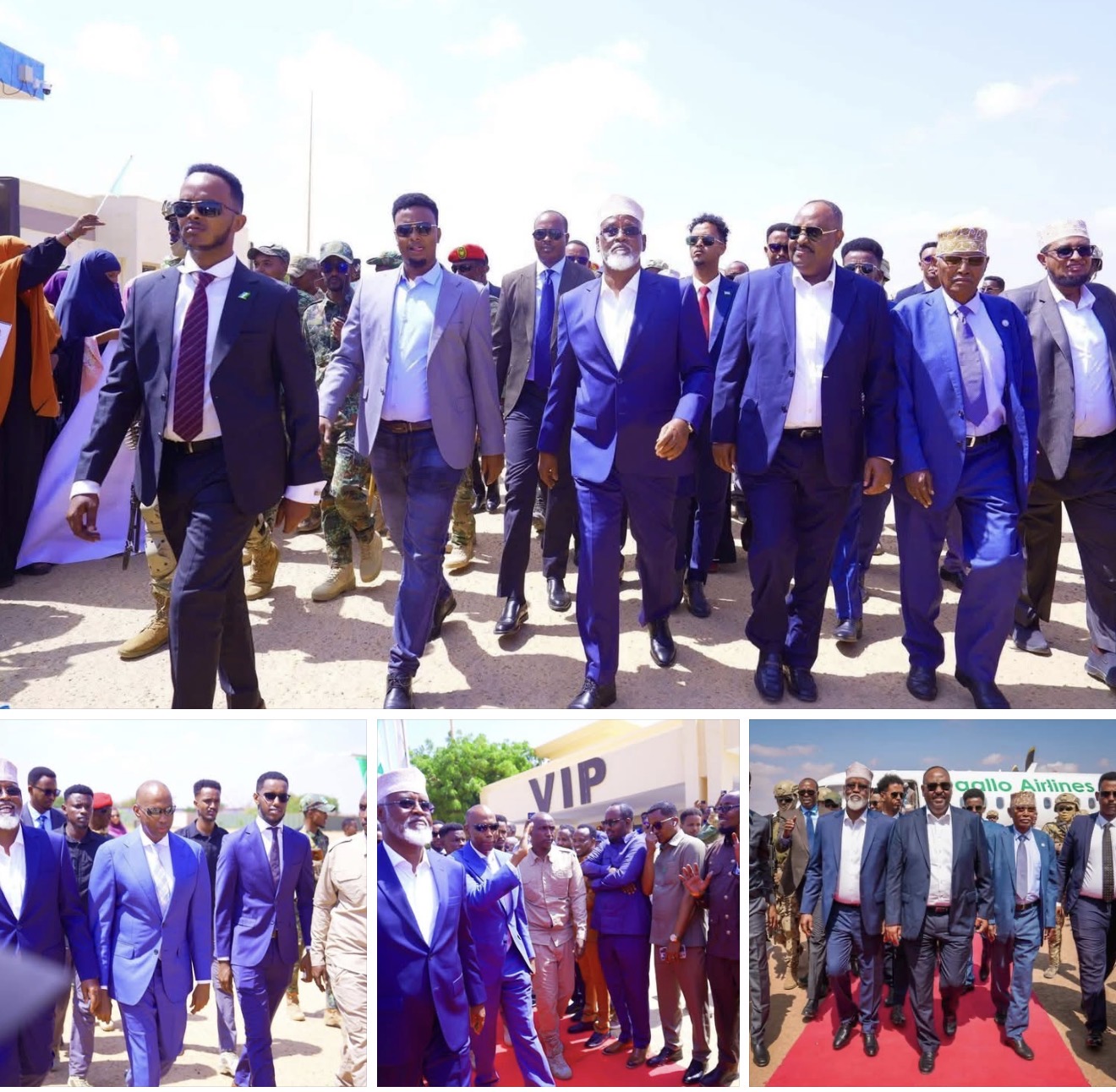
In response to this alarming trajectory, Somali political elites, former national leaders, members of parliament, and the presidents of Jubaland and Puntland have initiated efforts to rescue Somalia from reckless leadership. The Kismayo Peace and Unity Conference is a continuation of these corrective efforts.
This conference represents not rebellion, but constitutional self-preservation. It is an attempt to restore dialogue, re-anchor federalism, and articulate a new national political roadmap one capable of rescuing Somalia’s unity, democracy, and state-building project.
Acknowledgment and Call to Action.
I commend President Ahmed Mohamed Islam (Madobe) and the people of Jubaland for their courage and responsibility in hosting this historic conference in service of national salvation.
I also call upon the international community, neighboring countries, especially Ethiopia and Kenya and all partners committed to Somalia’s stability to recognize, support, and actively engage with this initiative.
Finally, I urge the conference participants to rise to the gravity of this moment. The responsibility before them is immense: to rescue Somalia from fragmentation, to restore democratic foundations, and to renew the promise of unity and lawful governance.
History will judge this moment. May it be remembered as the turning point when Somalia chose correction over collapse.
By: Abdirezak Sahane Elmi
Former Government Official | Writer | Geopolitical Analyst.
You can reach: Abdirezaksahane15@gmail.com