By. Ismail Farah
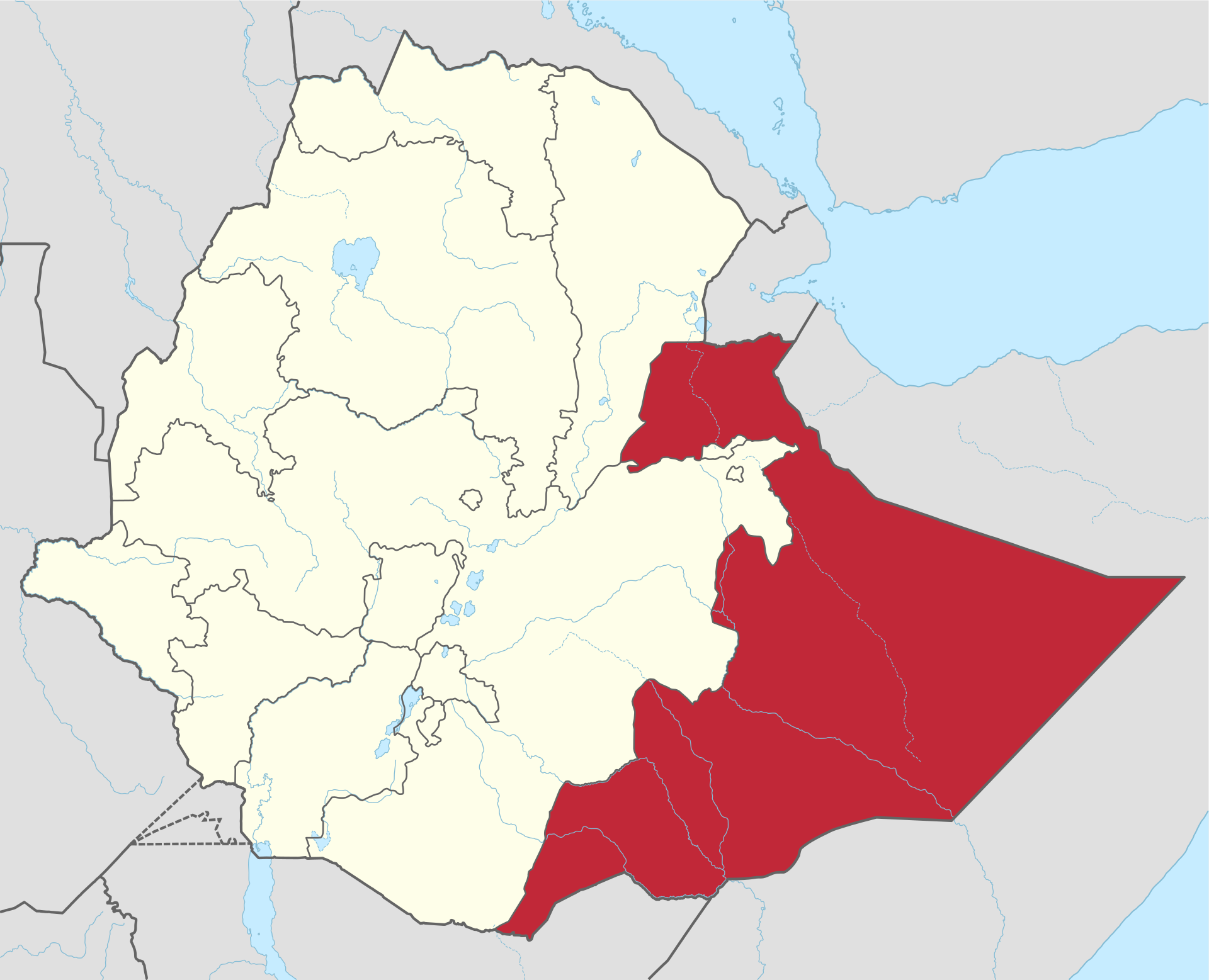
For decades, the Somali Region of Ethiopia lived under the shadow of conflict, poverty, and political marginalization. Long before the 2018 reform, the region was effectively a peaceless state, where militarization replaced governance, fear silenced citizens, development lagged far behind national averages, and ordinary people paid the highest price. Prolonged conflict between armed groups and the state, combined with structural underdevelopment, eroded trust, destroyed livelihoods, and normalized suffering as a way of life.
The 2018 national reform marked a historic turning point. It brought hope where despair had prevailed, aspiration where resignation had taken root, and a genuine promise that the Somali Region could finally transition from conflict management to development and democratic governance. The federal government, under Prime Minister Dr Abiy Ahmed, articulated a new vision, one centered on peace, unity, inclusion, and development. The Prosperity Party (PP), as a national political project, was designed to transcend ethnic fragmentation and guide regions toward shared progress within a constitutional federal framework. For the people of the Somali Region, this reform moment was not abstract. It was deeply personal. It meant the possibility of lasting peace, dignity, infrastructure, jobs, education, and political participation after decades of pain.
Yet today, that hope is being dangerously undermined not by external enemies, but by the narrow-minded, clannish, and corrupt mindset of a few individuals within the Somali Region’s political leadership. It must be stated clearly and honestly: this is not a collective failure of the Prosperity Party, nor of all regional leaders. Rather, it is the destructive agenda of a limited group operating from positions of power, driven by personal survival, narrow clan loyalty, and fear of accountability.
The Betrayal of Reform: Clan Politics, Corruption, and Manufactured Chaos:
Instead of consolidating peace and strengthening institutions, these actors have pursued a politics of division. They have systematically planted separatist narratives, revived revanchist tendencies, and deliberately distanced communities from one another. Most dangerously, they have worked to erase the political identity built over the last three decades within Ethiopia’s constitutional framework, replacing it with distorted, fabricated identities copied from Somalia’s failed political experiments.
This strategy is not accidental. It is calculated.
By portraying Ethiopia as the only enemy of Somali people in the region, they seek to dismantle the sense of Ethiopian citizenship and collective belonging that reform worked so hard to rebuild. Ethiopianism, already fragile after years of conflict is once again being framed as something suspicious, alien, or hostile. This is a direct road to statelessness.
Even more alarming is the deliberate creation and fueling of clan conflicts. These conflicts are not spontaneous. They are strategically engineered to keep communities busy fighting their closest neighbors, preventing unity and collective demands for development, justice, and accountable governance. When clans are divided and bleeding, they cannot ask hard questions of those in power.
This tactic has been implemented across multiple zones, including Jarar, Dolo, Qorahay, Afdher, Erar, Nogob, Shabelle, and Faafan, areas selected not for peacebuilding, but for unrest manufacturing. The intention is clear: distract the people so they do not recognize regional government failure.
It must be emphasized again: not all regional leaders are part of this agenda. Even some members of the presidium are excluded from these destructive processes. This makes the situation more dangerous, not less, because power is being exercised informally, without accountability or collective responsibility.
Corruption as a Tool of Control:
Alongside political manipulation, corruption has reached alarming levels. Large-scale land corruption including the illegal transfer of government institutional land into private hands, is taking place openly. Public resources meant for schools, hospitals, and administrative services are being captured by individuals. This is not mismanagement; it is systematic looting.
At the same time, the public is being deliberately misled. Certain regional leaders spend day and night producing propaganda against the federal government and the Prosperity Party, institutions they paradoxically claim to belong to. One day they fabricate ethnic conflict narratives; another day they weaponize natural resources such as gas; another day they incite land disputes between brotherly communities and neighboring nations. The goal is confusion, anger, and perpetual instability.
The people of the Somali Region must understand this truth: these individuals are not visionaries, nor heroes. They are trapped in a power dilemma, terrified of losing their chairs, driven by self-preservation rather than public service. Their rhetoric is not wisdom; it is camouflage.
A clear example exposes this hypocrisy: out of 25 city councils, 22 were previously nominated by Abdi Omar Administration who later erased the entire structure, claiming it lacked assessment. Similarly, 9 of the 14 woredas they had themselves nominated were erased by themselves . When the same 31 structures were later restored, no meaningful change was introduced. This raises a simple question: What exactly was reformed?
The honest answer is painful: nothing changed, except that the new plan became a one-family–targeted arrangement.
Peace Is Not an Accident, It Is a Responsibility:
Peace in the Somali Region is not an accident of history. It is the result of sacrifice, courage, and difficult decisions. After Allah, who is the ultimate source of peace, Prime Minister Abiy Ahmed deserves historic recognition for initiating and sustaining the peace process. And honesty demands another recognition: ONLF, regardless of disagreements with its past ideology and armed struggle, played a decisive role in ending large-scale conflict.
I state clearly: I was never a member of ONLF, nor did I support its armed strategies. But truth requires acknowledgment. Peace was achieved because all parties chose dialogue over destruction. That peace must now be protected, not violated.
I therefore call upon ONLF leadership, particularly Abdirahman Madey function , to exercise patience and restraint despite recent disappointments. Any action outside the constitutional framework would only harm the very people ONLF claims to represent. Calm and patience are not weakness, they are responsibility.
At the same time, I call upon current Somali Region leaders to reflect deeply. Many human beings fail to recognize the value of what they hold until it is lost. You are standing at a moment where peace is being undermined through hesitation and misjudgment. Undermining it is not politics it is historical betrayal. This region has suffered enough. It cannot, and must not, return to war.
A Final Appeal to the Federal Government:
To the federal government, and especially to Prime Minister Dr Abiy Ahmed: thank you for your integrity and for initiating a peace process that has endured for eight years. But peace, once achieved, must be defended. Please do not allow anyone no matter how close to destroy your legacy of peace-building in the Somali Region.
Necessary corrections must be made. Governance failures must be addressed. The ONLF issue must be resolved fairly and constitutionally. History will judge not only those who destroyed institutions, but also those who watched in silence.
Dismantling an entire regional government system and replacing it with division, fabrication, and corruption is not reform. It is the road to a stateless Somali Region.
And that road must be rejected, now, before it is too late.
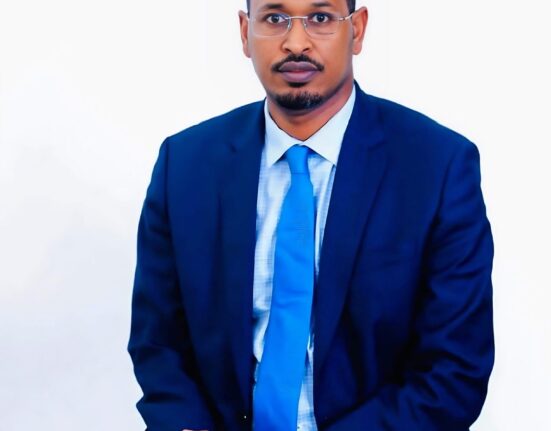
By. Ismail Farah
Political Analyst
He can be reached: ismo_2010@hotmail.com