By. Abdirezak Sahane Elmi
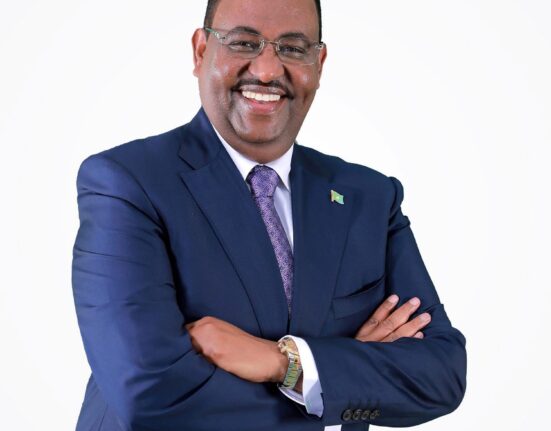
Former government Official , writer and geopolitical analyst.
Eritrea’s announcement that it has formally withdrawn from the Intergovernmental Authority on Development (IGAD) has generated a wave of regional concern, but not surprise. For many observers of Horn of Africa politics, this move represents a continuation of an old pattern, not a new development. Eritrea has long oscillated between engagement and isolation, often stepping away from regional platforms precisely when cooperation is most needed. The timing, the tone, and the justification of the withdrawal all point to the same conclusion: this is not the decision of the Eritrean people, a people who have consistently expressed a longing for regional integration, mobility, and peaceful coexistence with their Horn neighbors.
Instead, the withdrawal reflects the strategic calculations of an isolated and increasingly reckless regime that has, for decades, denied its citizens the very opportunities that regional institutions like IGAD strive to create.
IGAD Withdrawal: What the Regime Claims:
In its official communication, Eritrea, through the Ministry of Information, outlined its reasons for exiting IGAD:
1. Eritrea claims it played a “pivotal role” in revitalizing IGAD in 1993, helping shape its early vision of cooperation and regional integration.
2. The regime accuses IGAD of having “failed to meet the aspirations of the peoples of the region,” and of becoming “a tool against Eritrea” since 2005, prompting Asmara’s suspension in 2007.
3. The 2023 reactivation of membership, according to the statement, was based on hope for reform, hope that the regime now says has been unmet.
4. Ultimately, Eritrea argues that IGAD has “forfeited its mandate” and offers no “strategic benefit.”
These justifications paint the picture of a principled withdrawal. But a deeper reading of regional dynamics and geopolitical alignments reveals a very different story one rooted not in institutional failure but in Asmara’s political interests and foreign alliances.
The Real Drivers: Reckless Regime Calculations and Foreign Alignments:
Eritrea’s withdrawal from IGAD is far from a neutral diplomatic maneuver. Behind the official rhetoric of “sovereignty” lies a pattern of reckless decision-making, in which the regime repeatedly prioritizes short-term political survival and foreign alignments over the needs, aspirations, and welfare of its own citizens.
1. A Decision Aligned With Egypt’s Regional Agenda
Eritrea’s timing is telling. The withdrawal occurs as Egypt intensifies its strategic engagement across the Horn of Africa, seeking to secure its interests in the Nile basin, limit Ethiopia’s regional influence, and consolidate its position in the Red Sea geopolitical theater. Eritrea has become one of Cairo’s most pliable regional partners, with President Isaias Afwerki exploiting the country’s isolationist posture to serve external agendas rather than domestic needs.
By aligning with Egypt, Eritrea’s regime has knowingly acted to:
• Undermine IGAD, a regional body where Ethiopia and other neighbors wield influence, thereby weakening collective regional diplomacy.
• Promote a narrative that IGAD is biased, dysfunctional, or irrelevant, despite the organization’s central role in conflict resolution, counter-terrorism, and economic cooperation.
• Advance foreign strategic interests while further isolating Eritrea from the very regional mechanisms that could benefit its citizens.
This is not mere diplomacy, it is a reckless gamble that sacrifices Eritrea’s long-term stability and development for the transient favor of a foreign power. In doing so, the regime demonstrates an alarming willingness to subordinate the country’s own sovereignty and national interests to the ambitions of an external actor.
2. A Regime Allergic to Accountability and Citizen Welfare
At the heart of Eritrea’s IGAD withdrawal lies a deeper, systemic flaw: a government that cannot tolerate scrutiny, transparency, or accountability. IGAD, despite its imperfections, remains the only regional forum where critical issues cross-border interference, regional security threats, conflict mediation, and coordinated counter-terror strategies are openly discussed. Participation in such a platform would expose Eritrea’s leadership to questions it systematically seeks to evade.
The regime’s political culture marked by closed borders, opaque military mobilization, suppression of dissent, and a near-total monopoly on domestic discourse cannot coexist with multilateral oversight. By leaving IGAD, Asmara shields itself from uncomfortable realities, including:
• Eritrean involvement in the Amhara conflict and interference in neighboring states.
• Support for militant networks that destabilize the Horn of Africa.
• Widespread human rights violations and the suppression of domestic political freedoms.
The consequence is clear: Eritrea’s leadership has chosen a path that prioritizes its own security and grip on power over the legitimate aspirations of its people. Ordinary Eritreans, long hoping for free movement, economic opportunities, regional cooperation, and improved living conditions are instead forced to bear the costs of this reckless foreign policy.
Power Over People: A Dangerous Pattern:
This decision is emblematic of a regime that consistently sacrifices national welfare on the altar of survival and geopolitical maneuvering. In the process, it blinds itself to the very realities that threaten Eritrea’s long-term stability: economic stagnation, regional isolation, and growing domestic frustration.
Eritrea’s withdrawal from IGAD is not an assertion of sovereignty; it is a stark demonstration of a leadership that places personal and regime-centric calculations above the needs of its citizens, the potential for regional collaboration, and the enduring security of the Horn of Africa. The message is unambiguous: the regime values the optics of power and alignment with foreign patrons over the tangible welfare and aspirations of the Eritrean people.
3. A Long Tradition of Political Isolation:
Eritrea’s departure from IGAD may appear as a dramatic political statement, but it aligns with a longer history of self-imposed isolation. Over the past three decades, Eritrea has repeatedly chosen to step back from regional integration and multilateral cooperation. This includes periods of minimal engagement with the African Union, limited participation in regional trade frameworks, and long-standing restrictions on cross-border movement. While these actions have been framed as efforts to preserve sovereignty, they have also limited Eritrea’s access to the broader economic, political, and security benefits available to its neighbors.
The Eritrean People: Aspirations for Regional Engagement:
What is often overlooked in discussions of Eritrea’s isolation is the perspective of the Eritrean people themselves. Generations of ordinary Eritreans have long hoped for greater integration with the Horn of Africa. Many envision a future in which they can move freely across borders, engage in trade and economic exchange, and maintain strong cultural and social connections with communities in Ethiopia, Sudan, Djibouti, and Somalia.Participation in regional institutions has the potential to unlock these opportunities, fostering economic growth, social development, and political dialogue. By remaining engaged with regional organizations, Eritreans can have their voices represented in decision-making processes that directly affect their lives, from trade policies to security cooperation.
IGAD: A Cornerstone of Regional Stability and Cooperation:
Despite the challenges inherent in any multilateral organization, the Intergovernmental Authority on Development (IGAD) has emerged as an indispensable platform for the Horn of Africa. Its value lies not only in its formal structures but in its unique ability to bring together diverse states to address shared challenges. IGAD provides the only structured forum for mediating conflicts and promoting peace across the region. It plays a pivotal role in coordinating counter-terrorism efforts, facilitating humanitarian responses, and guiding diplomatic initiatives in countries experiencing political and social upheaval, including Sudan, Somalia, and South Sudan. Beyond security, IGAD serves as a hub for economic cooperation, trade facilitation, and infrastructure development, offering a framework through which member states can pursue mutually beneficial projects.
For Eritrea, continued participation in IGAD represents more than a political gesture it is a gateway to reconnecting with its neighbors, accessing regional markets, and contributing to a collective effort to stabilize one of Africa’s most dynamic and strategically important regions. By remaining engaged, Eritrea would not only advance its own national interests but also reinforce broader regional resilience.
Opportunities Foregone:
Eritrea’s exit from IGAD underscores a significant missed opportunity for both the state and its citizens. In a region facing complex security challenges, economic integration, and shared development goals, withdrawal diminishes the ability to influence outcomes, participate in cooperative initiatives, and ensure that Eritrean interests are represented in regional decisions. By re-engaging with IGAD, Eritrea could unlock a future in which its people benefit from economic opportunity, social connectivity, and security collaboration. Regional institutions like IGAD are designed precisely to amplify these benefits, providing a platform for cooperation, dialogue, and sustainable growth. The path of engagement promises a tangible return not only in national security and development but also in fostering the long-term aspirations of the Eritrean people themselves.
What Eritrea’s Exit Signals for the Region;
Eritrea’s withdrawal from IGAD comes at a pivotal moment for the Horn of Africa. The move highlights the importance of continued regional engagement and cooperation for addressing shared challenges and seizing collective opportunities.
1. Implications for Regional Connectivity:
At a time when the Horn of Africa faces evolving security, economic, and environmental challenges, regional unity becomes increasingly important. Open channels of dialogue, trade, and collaboration help countries manage border security, mitigate conflict risks, and create economic opportunities. Eritrea’s absence from IGAD temporarily reduces its ability to contribute to and benefit from these regional initiatives, from infrastructure projects to coordinated responses to humanitarian crises.
2. The Value of Multilateral Engagement:
Participation in regional institutions is not only about diplomacy; it is about ensuring that a country’s voice is represented in shaping policies that affect the wider region. By engaging with IGAD, Eritrea could have directly contributed to conflict resolution, cross-border trade facilitation, and regional development projects. The exit highlights the missed opportunity to influence policies and initiatives in ways that could directly benefit Eritrean citizens and the broader Horn of Africa.
3. Economic and Social Opportunities:
IGAD serves as a platform for promoting economic integration, trade facilitation, and cross-border cooperation. Active participation allows member states to attract investment, enhance trade flows, and expand employment opportunities. Eritrea’s absence delays the potential gains from such cooperation, including easier movement for people, increased regional commerce, and the strengthening of social and cultural ties with neighboring communities.
4. Strengthening Regional Resilience:
The Horn of Africa faces shared challenges such as climate change, food insecurity, and security threats. Regional cooperation through IGAD allows states to coordinate responses, share resources, and implement long-term strategies that benefit all populations. Eritrea’s return to the fold could reinforce regional resilience, support peacebuilding efforts, and enable joint responses to crises such as drought, conflict, and humanitarian emergencies.
5. Reconnecting with National Aspirations:
Most importantly, Eritrea’s engagement in IGAD would allow its citizens to experience the tangible benefits of regional cooperation. Free movement, trade, cultural exchange, and shared development initiatives are all within reach when a country participates fully in regional institutions. By re-engaging, Eritrea would align state policy with the aspirations of its people, fostering both national growth and stronger ties with the Horn of Africa.
Conclusion: A Regime’s Reckless Gambit, Not the Voice of Its People:
Eritrea’s withdrawal from IGAD cannot and will not diminish the credibility or relevance of the institution, nor does it undermine the broader framework of regional organizations that continue to mediate conflicts, foster trade, and coordinate development across the Horn of Africa. IGAD remains a cornerstone of regional stability, a platform for economic cooperation, and the only structured forum where complex issues like security, humanitarian crises, and cross-border collaboration are addressed collectively.
What Eritrea’s exit does reveal, however, is the true nature of President Isaias Afwerki and his inner circle: a leadership more focused on safeguarding its own grip on power, pursuing foreign-aligned agendas, and isolating the Eritrean people from their brothers and sisters in the Horn than on advancing national welfare. By aligning with external powers and withdrawing from multilateral forums, the regime is signaling a willingness to destabilize the region for its own political calculations, while ignoring the pressing needs, aspirations, and rights of its citizens.
The Eritrean people, who have long yearned for free movement, trade opportunities, cultural exchange, and integration with neighboring communities, are once again the casualties of a government that prioritizes survival and control over openness, dialogue, and development. Their voices, hopes, and daily lives are subordinated to the regime’s reckless geopolitical games. History will remember this decision not as an assertion of sovereignty, but as yet another demonstration of a leadership willing to sacrifice national interests and regional stability for the optics of power and alignment with foreign patrons. Eritrea’s isolationist gamble does not weaken IGAD, it underscores the urgent need for a government that prioritizes its people over political expediency and a nation over the ambitions of a few.
In short: IGAD endures; Eritrea’s people continue to wait for a leadership that will reconnect them with their neighbors, their opportunities, and their rightful place in the Horn of Africa. The regime’s exit is a setback for the nation, but it cannot erase the resilience and potential of the Eritrean people themselves.
By. Abdirezak Sahane Elmi
Former government Official , writer and geopolitical analyst.
Abdirezak Sahane15@gmail.com